
On the Capitalisation of Knowledge
By craigryan
/ August 31, 2021
Workplace Review is nothing if not broad in its coverage of work. In its current issue, Vol 10 No 3, David Nikolas Brodsky ...
Read More
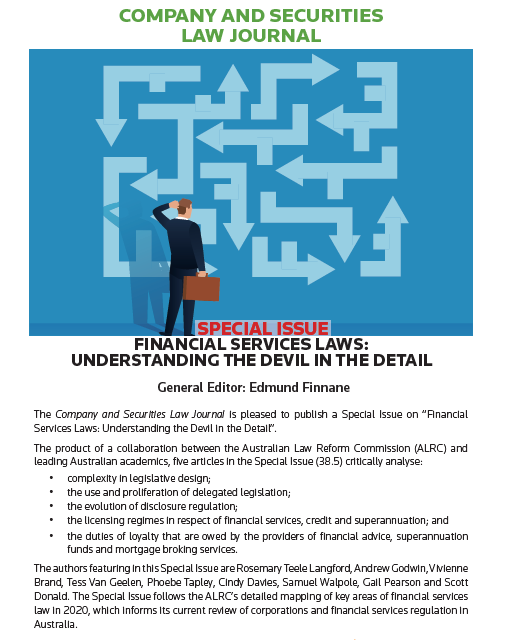
ALRC’s Financial Services Law Mapping Project
By craigryan
/ June 21, 2021
For the Royal Commission into Misconduct in the Banking, Superannuation and Financial Services Industry, simplification (ie enhanced efficiency, navigability)...
Read More
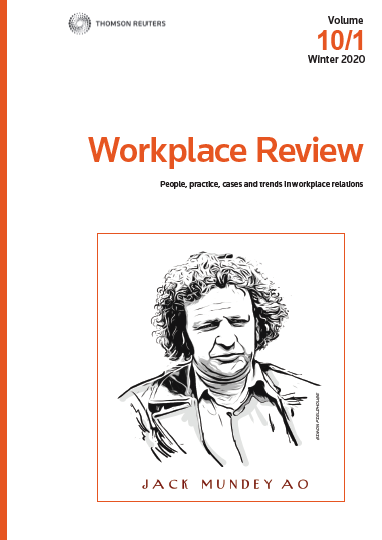
Building a Superstructure of Justice?
By craigryan
/ September 29, 2020
“Our critics on both sides of politics claim the use of the phrase ‘class war’ is anachronistic, but in the face of growing inequality and the push for corporate dominance, the reality is a class war is being waged on ordinary people. One that it is our responsibility to respond to.â€
Read More
Who Pays When Set-off Trumps Security of Payment?
By craigryan
/ July 17, 2020
Much more is at stake in enabling the effective operation of security of payment laws in the building and construction industry than just preventing contractors becoming insolvent....
Read More
Curing a Multitude of Sins
By craigryan
/ May 19, 2020
With millions of Australians participating in them, and with the associations themselves numbering in the hundreds of thousands, unincorporated associations truly are social entities. They variously include sports clubs, charities, cultural and arts and environmental organisations, and churches.[1]
Read More
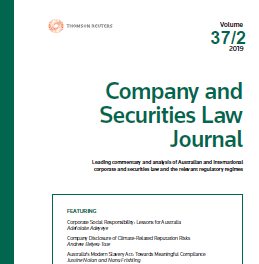
Modern Slavery, Climate Change, and One Big Elephant
By craigryan
/ November 18, 2019
Over 40 million people are living and working as slaves in the world today.[1] It is a staggering figure. It is outrageous!
Read More